Beauty product photography needs to communicate texture, finish, packaging quality, and brand feeling. For e-commerce brands, the images must make the product feel desirable while staying accurate to the actual item.
For overseas beauty and personal care brands that source packaging, samples, or finished products in China, local visual production can make launches faster and easier to coordinate.
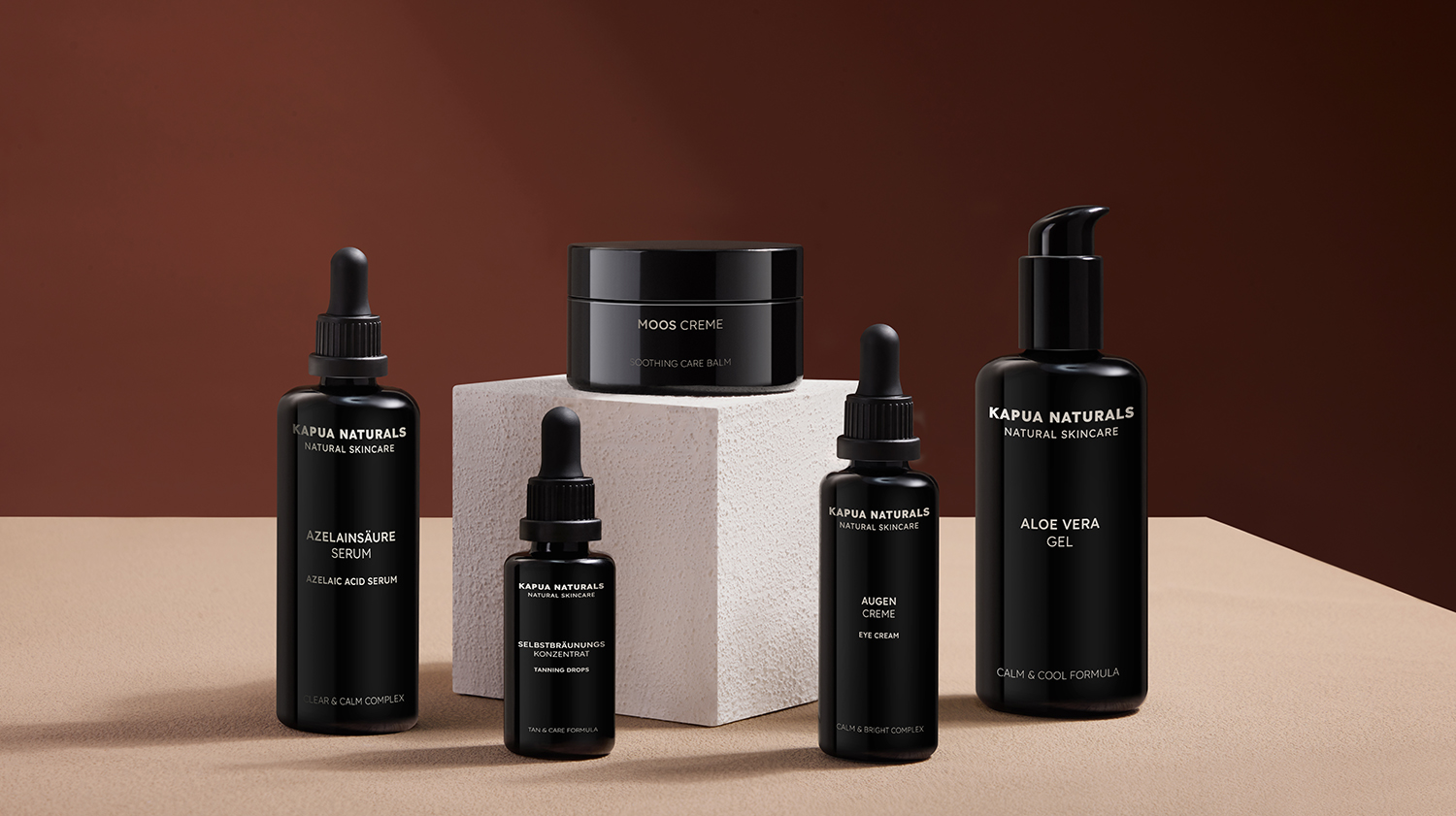
What beauty product visuals need to show
Beauty buyers often care about more than shape. They want to understand the product’s texture, use experience, finish, and brand world.
A strong image set may need to show:
- Packaging design
- Bottle, tube, jar, or compact details
- Texture, cream, gel, oil, or powder
- Color accuracy
- Ingredient or benefit cues
- Lifestyle mood
- Scale in hand or on vanity
- Routine or usage context
The visual language can be clean clinical, premium minimal, colorful DTC, natural lifestyle, or editorial depending on the brand.
Packaging accuracy matters
Beauty packaging often includes labels, small text, reflective materials, transparent containers, metallic caps, and color-sensitive surfaces. These details need controlled lighting and careful retouching.
Before production, confirm:
- Final packaging version
- Label placement
- Color references
- Logo and typography details
- Ingredient or claim restrictions
- Whether samples are final or prototype
- Which side of the packaging needs to be shown
If the sample is not final, list what needs to be adjusted in retouching or replaced later.
Texture and ingredient storytelling
Beauty visuals often need texture images. These can include smears, drops, powder, foam, gel, oil, cream, or product-on-surface compositions.
Texture shots help buyers understand:
- Consistency
- Finish
- Absorption or shine
- Color payoff
- Premium feeling
- Ingredient direction
This type of shot usually requires more styling than a simple product image. Surface, lighting, props, and composition need to support the brand position.
Lifestyle images for e-commerce and ads
Beauty lifestyle images can support product pages, social ads, email campaigns, and brand storytelling.
Depending on the project, lifestyle visuals may include:
- Vanity or bathroom scenes
- Hand model images
- Routine steps
- Ingredient-inspired props
- Travel or daily-use context
- Seasonal campaign scenes
- AI-assisted lifestyle backgrounds
Hybrid AI lifestyle visuals can be useful when the product needs more scene variety, but real product photography should usually anchor the packaging and texture details.
Product video for beauty brands
Short video can show texture and routine better than still images alone.
Useful beauty video clips include:
- Product opening
- Texture movement
- Application steps
- Packaging detail motion
- Ingredient mood shots
- Website hero loops
- Vertical social ads
For Shopify and DTC brands, these clips can be used across the product page, landing pages, Instagram, TikTok, paid ads, and email.
A China-side workflow for beauty brands
A remote workflow can be simple:
- The supplier or packaging vendor sends samples locally
- The brand sends references, claims, and visual direction
- The studio confirms shot list, props, textures, and usage scenes
- Product photography captures packaging and details
- Texture and lifestyle images are produced
- Optional product video or AI lifestyle extensions are created
- Final files are delivered for e-commerce, ads, and social channels
This helps overseas teams create assets before inventory moves overseas.
Work with Jonemoo Studio
Jonemoo Studio creates product photography, product video, and hybrid AI lifestyle visuals for overseas beauty and personal care brands manufacturing or sourcing in China.
If your samples or packaging are already in China, our visual production workflow for overseas brands can help you create e-commerce-ready assets for Amazon, Shopify, DTC, and launch campaigns.